Internal vs External Load: What Matters Most?
Learn what internal and external load actually measure, and why small and medium clubs should usually start with session-RPE and wellness.
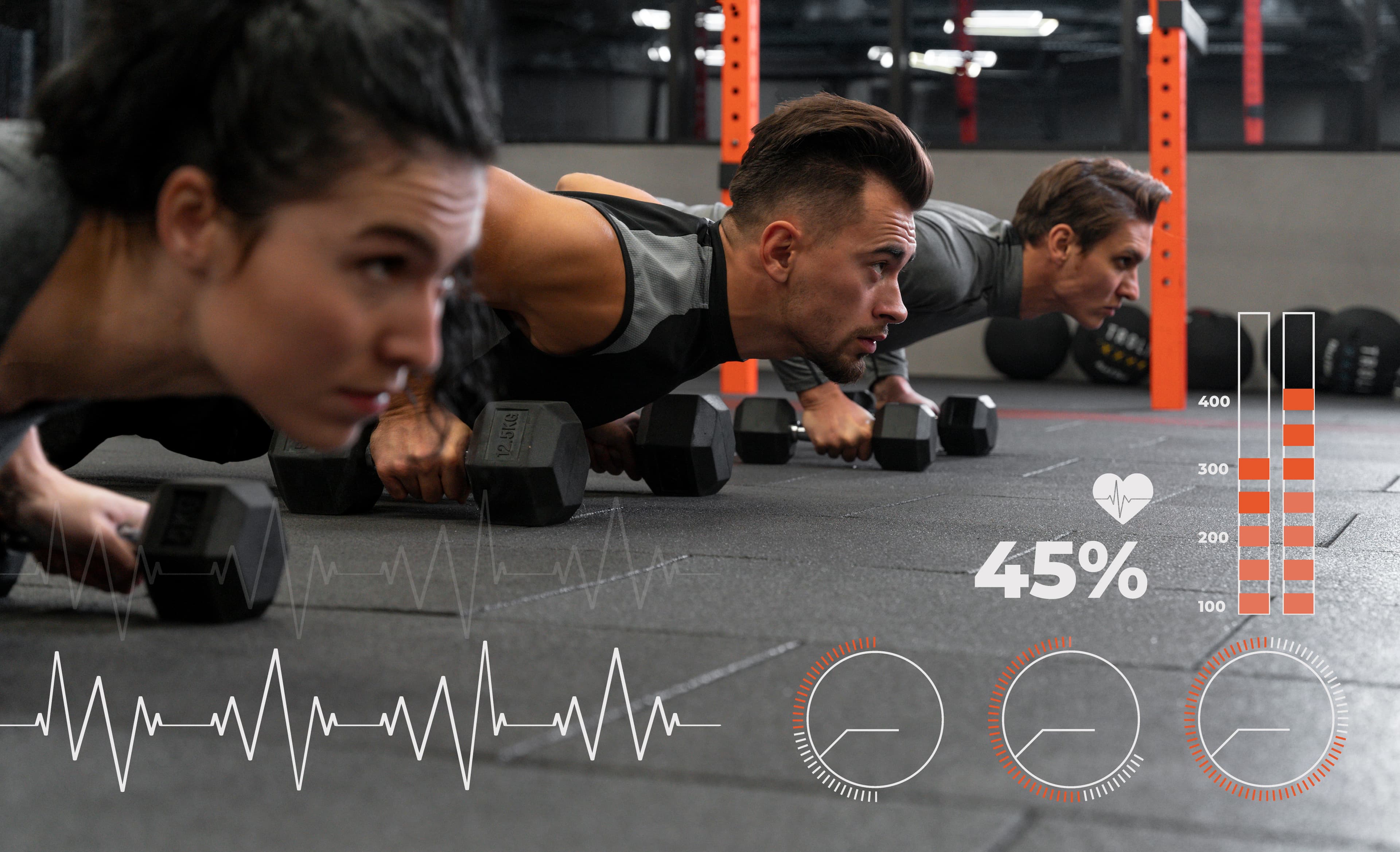
Training load
Training load is what athletes did plus how they responded
External load describes physical output. Internal load describes the athlete response. Both are useful, but they are not equally realistic for every club.
External load
The mechanical work performed by the athlete, such as distance, sprints, jumps, accelerations, and changes of direction.
Example: Two players each cover 8.5 km in training.
Internal load
The physiological and perceptual response to the work, such as RPE, heart rate, fatigue, soreness, stress, and mood.
Example: One of those players reports RPE 5 while the other reports RPE 8.
External load
External load tells you what happened on the pitch
GPS, LPS, optical tracking, and manual counts can help staff understand the mechanical demands of training and matches.
| External metric | What it shows | Best use |
|---|---|---|
| Total distance | Overall running volume. | Compare session demands with match demands. |
| High-speed running | Exposure to faster movement. | Design position-specific football sessions. |
| Accelerations and decelerations | Mechanical stress from speed changes. | Understand load that distance alone can hide. |
| Jumps or actions | Sport-specific physical outputs. | Track repeated demands in court and field sports. |
Internal load
Internal load tells you how heavy the work was for each athlete
Two athletes can complete the same external work and experience very different stress because of fitness, fatigue, sleep, injury history, or life context.
The most accessible internal-load input
Ask athletes how hard the whole session felt, then multiply by duration to calculate session-RPE load.
Small club priority
Start with internal load, then add external load if it is realistic
For clubs with limited budget, staff, and analysis time, internal load usually gives the highest practical value for the lowest friction.
Why internal load first
- No GPS or wearable hardware required.
- Captures each athlete's individual response.
- Works across sports and levels.
- Can be collected quickly through mobile flows.
- Pairs naturally with wellness and pain monitoring.
Where external load fits
Monitoring levels
Build the system in levels instead of copying elite clubs
Do the simple layer well before adding technology that requires more time, staff, and analysis discipline.
- 1
Level 1: internal load only
Use session-RPE, weekly load, and basic wellness. This is the baseline every club can run.
- 2
Level 2: internal plus simple external load
Add GPS metrics such as distance, high-speed running, and sprint count when resources allow.
- 3
Level 3: integrated performance department
Combine GPS, heart rate, gym tracking, medical data, and dedicated analysis staff only when the club can support it.
Fractall starting point
Collect RPE, wellness, and pain from athletes.
Automatically calculate internal-load metrics and trends.
Use dashboards and reports to review the squad before adding complexity.
Get the internal-load base right first
Use Fractall to collect athlete responses, calculate load metrics, and review readiness before investing in more complex workflows.
FAQs
Internal and external load questions
Short answers for clubs deciding where to spend time and budget.
Do I need GPS?
Which is more important?
Can I start without technology?
What is the biggest mistake?
Start this month
- Choose a 0-10 RPE scale.
- Collect session-RPE after main sessions and matches.
- Track weekly load per player.
- Add five wellness questions on key days.
- Review trends for 15-20 minutes each week.
- Make one clear adjustment from what you see.
Related guides
ACWR in Football: How to Use It Safely and Effectively
A coach-friendly guide to using 7-day acute and 21-day chronic workload ratios to manage football training load without turning ACWR into an injury prediction shortcut.
AI Reports for Coaches: What to Automate
A coach-first guide to using AI in sports performance reports without outsourcing selection, medical judgment, or player relationships.
Training Monotony and Strain: A Coach's Guide
Learn what training monotony and strain mean, how to calculate them from session RPE, and how football coaches can use them safely beside ACWR and wellness data.